Tuesday, 5 December 2017

UK Christmas stations 2017 - a review

We are but novice elves in the UK at the business of creating Christmas stations, but we've done pretty well.

Smooth Christmas was first down the chimney in 2011, complete with the memorable Simon Bates liner about toasting his nuts. Since then, many UK stations and brands have created new stations or flipped formats of subsidiary stations.

Let’s cast a critical eye over some of this year’s UK offerings.

Heart extra Xmas

Our present from Global replaces Heart extra on DAB and online.  It’s a typically polished Global offering, and the parent brand gets its honourable mention on the hour (I support that strategy, incidentally).  And the name is, indeed, 'Xmas', not Christmas.

Heart extra Xmas comprises a set of familiar favourites, with enough variety to keep it interesting. Songs span the eras, mind you, familiarity is not usually an issue for Christmas tunes. It’s generally an uplifting party, with the softer ballads wrapped in thick layers of more upbeat offerings.
  • Ronettes - Sleighride
  • Bon Jovi - Please come home for Christmas
  • Sia – Santa’s coming for us
  • Mud – Lonely this Christmas
  • George Michael – December song
  • Pretenders – 2000 miles
  • Spice Girls – 2 becomes 1
  • Coldplay – Christmas lights
  • Crystals - Rudolph the red nosed reindeer
  • Mike Oldfield – In Dulci Jubilo
  • Michael Buble – It’s beginning to look a lot like Christmas
(a ten song sweep as aired)

There are no presenter links – and the imaging is superb. A simple powerful, mood driven Global approach, with their fingerprints all over the processing template. The imaging has clarity – and fits the occasion.  The VOs are well-directed, oozing the right mood as they declare ‘turn up the festive feelgood’, complemented by some simple lines and voxes enthusing about what Christmas means to the Heart generation. There's even the occasional Christmas cracker joke, with the riddle punchline cleverly held across the break – delivered by a fully-qualified ruddy Santa.

It was great to hear the big brands on air in the breaks – including, of course, Coke with its stunning festive sonic identity. Good to hear Sudafed and Amazon in there too. Meanwhile, my Nottingham desktop feed treated me to some lovely ads about Christmas in Brighton. Maybe DAX has been on the sherry. Seriously though, how great to hear powerful FMCG brands on British radio.

The main London station was promoted, with promos in the hour for Jamie and  Emma. That must be a tad confusing for listeners who stay with the Christmas station in the morning or wake up to another Heart local brand in their area, but they choose to shout about their main station and I doubt they lose too many sleeps to Santa over that issue generally. There’s not really another decent solution. There is, though, little inference that that breakfast show does not feature on the station you’re listening to.

Desktop access was fine, but on mobile, after being instructed to download the app, finding Heart extra Xmas required my resorting to ‘settings’ to ‘find another Heart station’ at the bottom of a lengthy list of English place-names. Good job I was determined - and that most listening will likely be on DAB anyway, I guess. Mind you, they are running Heart TV Xmas too. They’ve a lot on their festive plate.

This is an impressive offering as befits the focused practitioners at Global. It fits with Heart well and will deliver some listening bulk somewhere to the Heart brand.  

Magic Christmas

Magic is another brand which can easily have a brief love affair with Christmas. This year, Bauer has created Magic Christmas on DAB (Digital One). It replaces Kiss Fresh, which is quite a format shift, and plays ‘More of the songs Yule love’, arguably a line which is a little too clever, losing something on radio unless delivered with huge clarity. They also lean upon ‘playing nothing but Christmas classics’.

Although Magic bears a blue brand colour rather than Heart’s convenient Coke red, they make the most of its frosty feel in a nice-looking desktop experience. If you link straight to loading the app on mobile, it takes you straight to the right station.

There is utter clarity about the Magic family on air. 'Ronan and Harriet are ‘over on Magic’;' and 'this is the sound of our sister station, Magic Soul'. Magic Christmas is clearly hailed as being ‘from the people who bring you Magic'. The relationship is clear and they waste no opportunity to promote their peacetime stations.

Music seemed a touch softer than Heart, which befits its brand, and again a thoroughly familiar offering was delivered with just enough variety. Christmas is the one time when the whole family really can agree on a song or two.  
  • Darlene Love - Christmas 
  • Leona Lewis - One more sleep
  • Bowie/Crosby – Peace on Earth
  • Band Aid – Do they know it’s Christmas
  • Jackson5 – I saw Mommy kissing Santa Claus
  • Kylie Minogue & James Corden - Only You
  • Bruce Springsteen - Santa Claus is coming to town
  • Wham - Last Christmas 
  • Pretenders - 2000 miles
  • Boney M - 2000 

It’s continuous music, like Heart, iced with festive imaging. Magic boasts twinkly vocal idents which I liked, plus some liners. 

Now, I don't want to incur the wrath of an imager, as I know that's a risky business if one wants to be alive by Boxing Day, and there'll have been a lot of time and care in assembling the liner material, probably into the night.  But I worried they risk sounding akin to a miserable character at your dinner table who just tolerates a festive hat.

I do get the ‘relatable' thing, and the bid to raise a smile, but I’d imagine that people choose the station when they are in the mood for festive cheer.

Nice vocals on the sung idents though - and the integration of the station sponsor, a holiday company, is thoroughly cunning. We're told a little about Christmas in every country they service. Simple and effective device.

And well-done on the Johnny Mathis edit.

Signal Christmas

Signal Christmas plays 'Non stop Christmas songs', 'making Christmas even more magical'.

The sponsorship from Winter Wonderland is well-parcelled. A Foxy and Emma breakfast promo and visual precedes the feed and delivers the sponsor - and the sponsor lines live within the programming too.  The website page is rich in content, even with listeners' Christmas tree pics - and a reminder of what not to do at the Wireless Group Christmas party.

Music is familiar - solid Christmas tunes and less contemporary than Heart extra.
  • Pretenders - 2000 miles 
  • Bing Crosby - White Christmas
  • Mud - Lonely this Christmas
  • Aled Jones - Walking in the Air
  • Ronettes - Sleigh Ride
  • Chris De Burgh - A spaceman came travelling
  • Chris Rea - Driving Home for Christmas
  • Sia - Santa's coming for us 
  • Crystals - Rudoph the red nosed reindeer
  • Paul McCartney - Wonderful Christmastime

Santa's on some of the imaging, introducing 'another one of my festive favourites', supplemented by a station voice. I wonder whether there's scope for a tad more festive feel in the delivery, and fewer wooshes and bangs in the mix.  But hey, who am I.

Santa Radio

Away  from the major radio group offerings, Santa Radio is back online, with Guy Harris at the helm, best recognised by his voice on ads and production through the year - and one of the nation's leading Santa voices.

Santa Radio plays 'The World's best Christmas music', 'Christmas 24/7', and is the most interactive of the Christmas offerings I've sampled. You can even send Santa a recorded message from the app and hear your message between the Christmas tunes. These lovely messages are played in, even with 'answers' from Santa to the kids' questions. The way Guy turns it all round is impressive, and it's a great example of how intelligently programmed voice-tracking can be far from sanitised and out of touch when in good hands.

The whole website is dedicated to things Christmas, as its unique identity permits, and it revels in the season. Kids can also even get their own personalised Christmas message too. 

The imaging is thoroughly well-delivered by Santa himself, with just the right tone and feel for 'his' station. Guy's Santa is thoroughly 'believable' and delivers real festive conversation- maybe the beauty of a VO in this role who's presented shows too.

Unlike the traditional stations, not every segue  bears an ident, mind you, given listening is all online, the identity of the station is clear to all. I suspect Guy has not got the most expensive playout system - but it sounds perfect.

Music is much more varied and traditional than the branded offerings, as its independent status permits - and the whole large playlist is listed online with details of each track and accompanying videos, accompanied by an invitation to supply further ideas. So, some less well-known versions of familiar melodies are mixed in, but the overall feel is thoroughly decent.
  • Michael Buble - Blue Christmas
  • Boney M - Mary's Boy Child - 
  • Kylie Minogue - I'm gonna be warm this winter
  • Josh Groban - It came upon a midnight clear
  • Miss Piggy - Santa baby  (they do play four other versions of this!)
  • Pogues - Fairytale of New York
  • Aaron Neville - Please come home for Christmas
  • Beach Boys - Santa Claus is coming to town
  • Leona Lewis - One more sleep
  • Robbie Williams - Walk this sleigh

This is a great achievement again from Guy - and more of a 'family' station where the kids can get really involved.

Christmas FM

Christmas FM is an Irish tradition, first going on-air in Dublin in 2008, joined by other parts of Ireland in ensuing years and diversifying into themed offshoots. The main quasi-national FM station doesn't carry ads on this temporary additional channel, supported by a hundred volunteers, but does include sponsorships; and has raised  an impressive €1.25m for charity to date, with Sightsavers being 2017's chosen cause. 

This year, Santa's climbed the DAB masts in Liverpool and Surrey. It's available online and on-app too, although I found it all too easy to fall into listening to the non UK version. 

'The Sound of Christmas is  Christmas FM' , 'The UK's Christmas station'. And Santa on the imaging has a lovely accent.

This sounds most like a traditional full service station, albeit without news, with BBC Radio 2-length presenter links, playing a refreshing eclectic blend of frosty favourites, albeit probably the least familiar music blend of the broadcast stations. The story behind some songs is explained in mini packages: 'Unwrapping the classics at Christmas'. 
  • Jose Feliciano - Feliz Navidad 
  • Pentatonics - I'll be home for Christmas
  • Monster Monster - Christmas in Liverpool
  • Kay Starr - the man with the bag
  • Chris Rea - Driving Home for Christmas
  • Bruce Springsteen - Santa Claus is coming to town 
  • Jona Lewie - Stop the Cavalry
  • Michael Buble - Holly Jolly Christmas
  • Ronettes - Sleigh Ride

This is a cause-driven initiative which demands engagement to build a relationship which will pay off in donations - and it's delivered fittingly.

Merry Christmas

It's a fascinating experiment this Christmas malarkey. With a blank sheet of paper simply headed 'Christmas', UK programmers have a pretty free hand in the beauty they create. 

With very similar music and the absence of presenters in Christmas jumpers, however, the imaging assumes a new importance in such stations.  Imaging a Christmas station is a little like decorating a tree. A precision job if it's going to look just right. Not too much, not too little, lots of sparkle and do watch the colours. Importantly, step back a few paces at the end to see if it all really works.

The voice, the processing, the direction, the script, the effects. The tone and colour of our little imaging stars can make these wonderful Christmas stations glitter.

An imaging producer I know might have suggested well-cast and well-directed voice-overs should deck their studios with tinsel and stare at at a few pics of an excited young family waking up on Christmas morning whilst delivering lines if they are to lift that real sprinkling of magic off the page. And - if you are being inventive with this imaging, it demands great writing and real theatrical and comic talent in delivery.

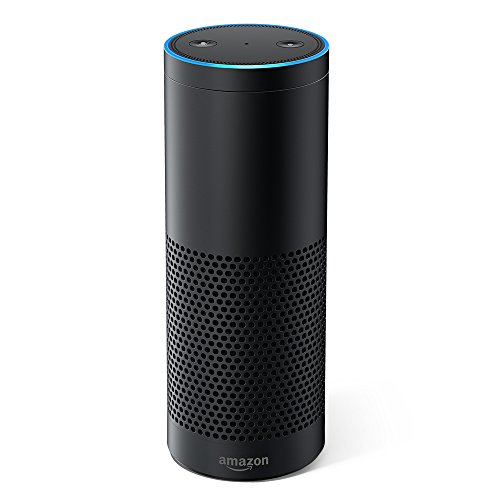
In the years to come, smart speakers may rule this genre.  You'll shout for your favourite - and likely best known - Christmas station wherever you live. On 'play Christmas' or 'play Christmas radio', Alexa takes me to Christmas music from Amazon music. When Tune-in is invoked, she starts getting stroppy as she' can't play by genre'. RadioPlayer is typically more helpful and makes sure I hear a 'proper' station and certainly knows the variants of station names I might utter.

Are the stations worthwhile? For listeners, it's great to know you can get a stream of Christmas favourites chosen for you, whenever you're in the mood. 

Whilst no Christmas station enjoys its own dedicated Rajar figures, there's little doubt that the listening is captured somewhere on the relevant brand's published tables. No brand taking part has compromised its integrity by its Christmas associations - and the home stations can continue being not too formatically atypical as the big day approaches. I suspect RadioPlayer could deliver some useful comparative intelligence on adoption and trend. 

Overall, well done to all. I suspect these festive offerings are being crammed into the working days of staff who have a day job too, with clients, bosses and sales execs screaming down the phone.  You’ve done well. It’s a nice toy to play with.


Grab my book 'Radio Moments': 50 years of radio - life on the inside. A personal and frighteningly candid reflection on life in radio now and then. The drama - the characters - the headaches - the victories.


Also 'How to Make Great Radio'. Techniques for today's presenters and producers.  Great for newcomers - and food for thought if you've been doing it years.


Monday, 27 November 2017

From 5G to Smart Speakers - RadioTechCon 2017

As far as Radio conference venues go, the original official home of the BBC (1923-1932) is pretty hard to beat. This year for TechCon, attendees gathered at the headquarters of the IET at historic Savoy Place.

After my fine announcing of the fire escapes, the day kicked off fittingly with a tribute from the BBC’s Angela Stevenson to the rich engineering heritage of our great industry. The pioneers who persevered were pictured in sepia, not least W. T. Ditcham (who, in his Marconi days, had been the first European voice ever to be heard on radio in America) alongside his huge 6kW transmitter.


We were reminded about the engineers' efforts in World War I, hiding in tents and intercepting signals; and about Dame Nellie Melba’s valiant broadcast debut, sponsored by the Daily Mail. Mention too of the truly wonderful Peter Eckersley, who became the BBC’s first Chief Engineer, but whose relations with Reith were to become strained.

Then to the future - and 5G is on the way. Andy Murphy from the BBC defined it, as we imagined, as enhanced mobile broadband. That means it’ll have the capacity to handle all manner of things from consumer to business and public sector. The extra capability being as much about the quantity of usages, as much as some of them being demanding of capacity. From lights to wind turbines and washing machines. He also stressed that it would offer higher reliability, much needed for its critical potential uses.


Using higher frequency spectrum (700 MHz, 3.5 GHz and 26-28 GHz) with software-driven solutions, the network can be partitioned well for different users, with defined parameters for each. Important though our own industry uses may be, vehicle to vehicle communication will likely be seen as more so on the arrival of driverless cars.

Whilst it was envisaged 5G would start its rollout in June next year, there’ll now be an ‘early drop’ in time for Winter Olympics trial.

Could 5G replace broadcast? The speakers agreed it could constitute an ever-growing part of our listening cake, not least as it handles greater traffic with ease, albeit the familiar challenges of coverage and consumer cost (data) remain. There was some concern too about the gap between the 'haves' and 'have nots' - given that access would be seen increasingly  as something which should be a utility for all

Mark Henry from EE, battling on as he recovered from his broken leg, addressed coverage, reminding us they are heading for 95% population coverage for 4G, having risen from 40% in 2015. 5G, he suggested, would take longer, and his EBU colleague suggested longer still, owing to the rollout complexity. 

Simon Fell’s EBU slides were replete with detail, and we’d expect nothing less. His examples even included hospital use - controlling everything from a wheelchair to a bed. Simon talked about some American in car experiments too, with signals robust even at 60 mph. He also cited one original demand of the standard was that it should be able to provide non-SIM access to provide for free-to-air TV. I questioned him whether the same could presumably allow for free-to-air radio too, at which he nodded.


To Virtual Reality, and Roger Hall from Global offered a practical demo of their genius virtual training studio. He knows what it’s like when programmers and engineers get calls at 2.00am when their dim new freelancer has forgotten how to put their desk into sustain. Having introduced ‘driving licences’ for presenters, this VR solution now offers a chance for a hands-on interactive guided tour round a virtual Leicester Square studio. Trainees are told which buttons to press when, and quizzed to see they’ve remembered. There are also disaster rehearsals too - from studio evacuation to ‘what to do if the ads play over the songs’.

Global's virtual studio took three months to develop, and is available both in London and around the UK thanks to a flight-case version. It’s a stunning cost-efficient training idea from an impressively together commercial company. I like the idea of 'driving licences' too. Maybe we should extend that across the industry to basic presentation skills.

Happy Christmas. This year, smart speakers will be a big thing, and without doubt, we’re all highly likely to live in smart homes by the middle of the next decade. Dan McQuillin, of Broadcast Bionics, spelt out the perils first. He reminded us of one US presentation which said the potential was 'magical', but one which had ‘turned our daughter into a raging arsehole’. It’s true. Those touchscreen toddlers will soon be replaced by kids who just shout and expect something to happen.


The always impressive Mike Hill from RadioPlayer reminded us that of all the entertainment audio people choose on their smart speaker, radio stations lead the way. He weighed up the strengths of each smart brand, with Amazon Echo, armed with Alexa, great for linking up with shopping and the wider world; Google Home (‘plug in Glade air freshener’) being typically brilliant with its artificial intelligence; the Microsoft option good for Skype; and the delayed Apple Home pod probably the best sounding but most costly option.


Mike told of the journey of the RadioPlayer skill. Skills, it seems, require the devising of a series of instructions - from 'wake' to 'invoke' a named skill, and 'utterance' of what you want it to do, and how. RadioPlayer was constructed to play a named station, or a station with nearly the name you’ve mentioned, or recommend a similar station, with that result informed by analysis of RadioPlayer data on listener crossover. I'd love to see all that data.

Radio evokes emotion and Mike reminded us how much we ask of a listener when seeking to harness that passion. We expect them to remember how to get in touch - and bother so to do. Mike demoed: ‘tell the studio I’m enjoying the show’ and Alexa duly despatched a message to the relevant station's Broadcast Bionics dashboard. ‘Tell the studio I hate/love this song’ was similarly channelled. (Being a believer that the listener relationship is with the presenter or station rather than ‘studio’, I do hope it can also be programmed to ‘tell station/presenter name’ rather than ‘studio’ - but I see no reason why this brilliant thing also couldn’t).

Alexa can similarly answer questions about what’s playing. Who’s the interviewee on Desert Island Discs? What song is this? Test your station on RadioPlayer, pleaded Mike, and review your metadata.

It’s all hugely exciting and yet another example of how radio is set to rule its second century. We must understand it well, and thanks to Mike we are starting to. The risk is others may steal our clothes, but there is no reason for that to happen given our unrivalled understanding of the audio world. Mike talked too both of the excellent relationship with Amazon - but of some of the challenges, for example in finding just the right catch up content when requested by voice command


Audio over IP is now commonplace, getting audio round stations with far less wire, and the ever-smiling Jamie Laundon from the BBC talked about the challenges of the interoperability of products from different vendors. One helpful move is the, shortly to be updated, AES67 - the ‘O Negative’ of audio networking.

Archiving next, and a timely topic. I’m always amazed how many lovely stations call me, Stephanie Hirst, Andy Walmsley, Aircheck Downloads, Richard White or like minded anoraks when they need their own vintage audio. Surely the wealth of archive from this great medium of ours cannot just be down to us and our old cassettes or stealing 5" spools from skips.

The BBC is taking it seriously - and is now digitising with a frenzy, for example recently committing all BBC Wales material to audio cryogenics. Steve Daly told us they’d not only preserved the tapes, they’d preserved the tape machines to play them on, and got through 37 litres of alcohol and goodness knows how many cotton buds in transferring treasured audio from crumbling quarter-inch tape. He also mentions the BBC has archived its ceremonial spoons. So now you know.

The challenge is clear, the lifespan of the medium appears to diminish, as the the storage density grows. Messages carved in stone last a long time, but you don’t get too much info on a tombstone. Do check the DPP guide to digital archiving.

Who is the most famous engineer? When children in the North East were asked that question, they answered with the name of Coronation Street’s Kevin Webster. 

Little wonder that, over lunch, senior engineering heads were lamenting to me the challenges of recruitment. Carol Harrison from STEM Ambassadors talked persuasively on the matter, and the challenges of getting children interested in the STEM subjects (science, technology. engineering and mathematics) in the first place. She cited the increase in forensic science students following CSI. (Can we make radio engineering 'sexy'?  Maybe a charismatic Chief Engineer at Radio Weatherfield?) In blunt terms, she felt far too many students were pursuing subjects they were unlikely to put to good use, and our all too rare graduates are simply being tempted abroad to countries where their jobs have the status they warrant. 

I’ve never been so persuaded by a talk. Carol invited you, if you work in the technical field, to volunteer to spend an hour in a school talking of what you do. As an ambassador, allow the kids to see what is possible - not least if you are talking at the school you went to. You could change the course of a child’s life.


In the U.K, there have not yet been cases of broadcasters being hacked, although a dozen US stations have suffered. Denis Onuoha from Arqiva is Chairman of the AIB Cyber Security Work Group. He reflected on the categories of cyber security threats, from computer network exploitation where your data is seized and used by ne'er-do-wells and about which you know little until they get in touch with their cheeky demands, to computer network attacks where you become aware with alarming speed. He reminded us of the Wannacry hack in May, where simply keeping PCs up to date with the latest patches would have helped.

Denis spoke of simple fixes, reiterating the recent changed guidance that you should use sufficiently complex passwords you can remember rather than silly ones you need to write down. Avoid the user-name 'admin' temptation too. That's just daft. You can't stop everything, said Denis, but window locks make your house less likely to be burgled than next door's.

He goes further, sending in 'red teams', disguised as cleaners or receptionists to test vulnerabilities, and even mock phishing emails to see who responds, and then patiently educates the red-faced would-be victims.

Object Based Audio is like baking a cake,according to Lauren Ward, a postgraduate researcher at the University of Salford. Rather than deliver the cake, you deliver the ingredients, a recipe and someone to mix them. If you don’t like raisins - just leave them out. In the radio world using object based techniques, a listener wanting fewer sound effects or quieter music, can adjust their personal mix. A great way of avoiding those TV complaints about mumbling actors. Do take part in her experiment at Bit.ly/soundTV

An endearing presentation came from Scott McGerty from Spark, a community/student station in Sunderland. Knowing where his young audience spend their time, he wanted to stream live at no budget. With help from an assortment of phones, his wife’s iPad and then a web cam and an iRig, lo, his show was live on Facebook. For multiple cameras and a vision mix, he identified some useful open access software, and even fixed up talkback and graphic overlay. In short, he insisted that with little technical knowledge or cash - but with a lot of curiosity and experimentation - you can achieve a great deal.

How can you maintain a transmitter without killing yourself or others? Nigel Turner, RF Safety Officer for Arqiva, introduced us to the physics of EMW and how the body absorbs them. He knows. He’s been up a few masts in his time, sometimes in bad conditions. Whatever the weather, he said, it’s worse up a mast. He shared with us the perils of lone working, asbestos, working at heights, electricity and, of course, RF, which can cook you like a microwave oven.

His diagram reminded us of the size of wavelengths, with the Long Wave waves being about as long as a football pitch, and dainty VHF (FM) ones being the length of, well, a human being. No wonder we absorb RF energy, acting almost as a conveniently sized antenna. He reminded us that the ICNIRP guidance has now been effectively cemented into law as the CEMFAW regs 2016.

He finished by dressing up poor Dave Walters in full gear to demonstrate the precautions taken as an engineer scales the mast. You are harnessed, but, as Nigel pointed out, it still hurts if you fall.

Finally to that dark day of the Manchester Arena bombing. Ken Phillips, who's responsible for the team behind BBC radio's outside broadcasts shared the planning for the #OneLoveManchester benefit concert, described by some as ‘this generation’s Live Aid’.

He talked of the call which began the whole affair, and of his crucial initial task - planning food and accommodation for the technical team at the venue. Whatever happens, you need that. 

His colleague at Audio Factory, now the BBC’s platform for delivering audio over the internet joined in to explain how they got the signal round the country and indeed around the world, including Australia and the huge array of iHeart stations. He covered the challenges he routinely faces in generating the right flavours of audio packages for HTTP delivery; and also mentioned the latency which offered a serendipitous delay - meaning that presenters knew exactly what was going to happen before it did, resulting he noted, in an impressively slick performance from the Wireless Group presenter.

After a great fun quiz, hosted by the lovely Stephanie Hirst, the day closed - and engineers moved pub-wards to chat openly as engineers refreshingly do. 

A relevant, interesting and entertaining day - with an impressive array of speakers on an outstanding variety of topics. I was privileged to be asked to host once again. Well done to the committee for the best, and most highly-attended TechCon, and a special well done to Ann Charles. That team once again took the risk on their own shoulders and delivered a memorable and invaluable event for our industry. 

Thanks too to the IET for holding out a warm hand of welcome in honour of our forefathers who passed through the door of your impressive building almost a hundred years ago.


I’m not an engineer and not as clever as they are. If you notice anything factually awry in the above, drop me a note and I’ll correct immediately. 


Grab my book 'Radio Moments': 50 years of radio - life on the inside. A personal and frighteningly candid reflection on life in radio now and then. The drama - the characters - the headaches - the victories.


Also 'How to Make Great Radio'. Techniques for today's presenters and producers.  Great for newcomers - and food for thought if you've been doing it years.


Thursday, 16 November 2017

Who's Listening and How - the Latest

It's tempting to wrap up and send a copy of the latest MIDAS survey to every press columnist  for Christmas.  This jolly publication from the Rajar folk always offers some interesting data, which often contradict many of the assumptions from those innocents with the temerity to pen articles about our beloved medium.

In September, the intrepid researchers re-contacted just over two thousand of the long-suffering folk who'd already filled in a Rajar diary to dig deeper into their listening habits. We should thank Ipsos for their valiant efforts.

How is radio being consumed – and how are those methods of consumption trending?

Despite all the hullaballoo, live radio still commands an impressive share of ear-time for UK citizens. 75% of all the stuff on which we feast our ears - from online music streaming and podcasts to ‘listen again’, CDs or battered Agfa cassettes – is good old live radio. Everybody else’s share of that ear-cake is surprisingly about the same as two years ago, with only another 2 percentage points of live radio’s time being scattered across the many other options.  On-demand music streaming (OMS) accounts for 8% of adult ear-time now - and its consumption is daytime-led and male-driven.

The picture changes by demo, of course.  Although a very healthy 82% of 15-24s do seem equipped to turn on a live radio, they appear to get bored pretty quickly.  Only around half of  the ear-time of messy-haired 15-24s is taken up by live radio – compared to 77% for 35-54s. As can be seen, on-demand music streaming (OMS) is the single biggest villain eating the breakfast of those 15-24s.

The couple of standard Rajar radio audience graphs (below) indicate that live radio’s weekly reach generally amongst 15-24s has declined from 90% at the turn of the decade to 83% now, against a reassuringly stable 'all adult' figure. 

Weekly time spent listening amongst 15-24s across those years, however, has fallen a hefty 16% in that time down from  17 to 14.2 hours per week. 

We’re all spending a little less time with radio each week, though - falling in seven years by 11% for all adults, 12% for 35-54s and 4% for 65-74s. We've all got a lot more to do with our lives.

Back to MIDAS, podcasting only accounts for a small slice of all ear-time –  although taken together with listen again, it now accounts for 4%, much the same as last year. That’s certainly not shoddy for this thing with a funny name and it looks set to grow slowly - but it's not exactly disruptive. Podcast listening is younger than its 'listen again' sister - and more male. 

Live radio - and podcasts - both reach their maximum audiences between 8.00-8.15 am. On-demand music services see a high between 3:00-3:15 pm - and for 'listen again', the peak is between 10:15-10.30 pm. It's true though that 'listen again' rattles along fairly consistently through the day.

So – what do we listen to live radio on? Mostly on a radio-shaped radio.  There is little doubt, however, that AM/FM listening is gravitating to DAB. DAB has grown from 35% of listening in Autumn 2014 to 41% now – and FM down from 43% to 39%. 

If you draw a straight line graph based on the FM decline, which would be utterly foolish, FM dies out in the year 2036 - by which point Judi Dench will be 102. The UK was late to join the FM transmission party – but it’s lasted us over 60 years already, so let’s not moan. 

Maybe strangely, the amount of live radio consumption which is not on a radio set has stayed about the same (16% in 2017) across the last four years.

Around half of adults now have a radio app on their phone - about 8m more people than three years ago. Penetration amongst the demos are bouncing around – but overall amongst all adults the figure rises from 35% in 2014 to 49% in 2017. Perhaps as smart phones have become more affordable, the 15-24s have been catching up with their 25-34 balding brothers. Whatever 2018 brings in our changing and worrying World, we can relax knowing we’ll likely hear the news that many more Brits have a radio app on their phone than don’t.

We once paid non-listeners to listen to our station as part of a focus group exercise. One recalcitrant trotted back in the following week in a frayed crimson parka to say they couldn’t find us on their telly. Listeners expect you to be everywhere – and it’s an expensive business for our industry. AM/FM radios are unsurprisingly the most ubiquitous gadgets which people turn to - followed closely behind by DAB radios. 11.6% do use their TV for at least some of their listening. But to turn a stat on its head – just to make again the point that radio listening remains more traditional than folk think - 90% don’t listen to any live radio on their smart phones.  So – they may have a radio app on their phone – but they are not thumbing it too frequently.  Can we do more about that?

OK Google, we really should applaud smart speakers and buy everyone one for Christmas.  ‘Cos when it comes to using those, people are far more likely to ask Alexa to play a radio station than any other form of comparable audio entertainment (58% of device eartime). On i-pads and smart phones, folk are much more likely to get up to all sorts. 

Although it accounts for but a pint-sized proportion of radio listening time and by currently just 1.1% of adults - there is something hugely encouraging about the love affair between radio and smart speakers. The biggest - and most distinctive - radio brands will win - and current radio operators may or may not be running those. Analyst firm OVUM suggests 40% of homes will be 'smart' by 2021.

Radio remains a one to one medium. 51% of all adults suggest they listen to radio on their own, with 20% saying they listen with their partner.  Amongst the less -coupled 15-24s, there are a wider variety of possibilities -  just 43% listen alone, but 11% with families and 32% with colleagues

In-car listening is interesting. MIDAS suggests that whilst a majority of adults will choose to listen in on the move (57% reach), the share of listening attributed to those travellers is much less than columnists might expect, being outshone by the amount of time people listen whilst working or studying.  I often wonder whether we programmers take into account sufficiently when our light and heavy listeners are most likely to be with us.

Overall, MIDAS suggests, if you picture your listener serving an angry customer, reading a physics text book, driving to Ingoldmells, eating a microwave meal, scrubbing the grill pan or just chilling – then you’ve accounted for about 90% of all listening.  The column headings indicate, however, no-one has sex whilst listening to the radio. Most off-putting if it's your own voice-tracked show.

All data MIDAS, RAJAR/IpsosMori September 2017 unless otherwise stated.


Grab my book 'Radio Moments': 50 years of radio - life on the inside. A personal and frighteningly candid reflection on life in radio now and then. The drama - the characters - the headaches - the victories.


Also 'How to Make Great Radio'. Techniques for today's presenters and producers.  Great for newcomers - and food for thought if you've been doing it years.


Wednesday, 8 November 2017

Open Letter to Tony Hall

Dear Tony,

I’m delighted you have spoken so powerfully on BBC local radio tonight on the anniversary of its birth.

I was disappointed that the BBC Plan and, indeed, Ofcom’s draft operating licence, barely mentioned the importance of the service, so I’m pleased that you have now paid due tribute to its importance, past and present.

I wish that there had been more discussion about this whole area in recent months. The consultation on your new operating licence from Ofcom should have been a logical trigger for that; but the regulator confessed to me that, in part, they’d messed up on that process. They failed to include a clear summary of their thinking, as their own process demands. The process was accordingly impenetrable.

Whilst you have achieved far greater things than I have, I gather you have never had the agony of trying to programme a successful radio station. Rightly, you have been been impressed by the value of challenging journalism, not least following the awful circumstances at Grenfell, but the need for sound local journalism is not the same thing as the targeting of your local radio stations.

A radio station cannot target everyone. Radio 1 would be less successful were it targeted at everyone, and so would Radio 2. It does not work. You will create a radio network which is expensively-producing valuable output, consumed by ever fewer people. What’s Monday’s breakfast show agenda? 

You announce that budgets are not being reduced. Frankly, Tony, this is appalling. In such demanding times, every media outlet in the country is making economies. As I have demonstrated with granular detail at the invitation of your executives, BBC local stations could be managed more efficiently on far less money with greater success. You are wasting licence fee payers’ cash. Whilst many people on local radio work their socks off producing great radio, just about every employee could point to many inefficiencies too, if invited. Local radio will always be expensive, and this short -term announcement simply places local radio irresponsibly in long term peril.

Yes - there is a case for solid investment in local journalism and an addressing of the ´democracy deficit´. Should that journalism necessarily be the sole job of radio and define its output, I suggest not.

You suggest moving from a 50+ target. The BBC appears to believe it is appropriate to require a Radio 1 to target young - but not for any one of your services necessarily to trouble with those of us over fifty - radio’s most avid consumers. Not only a puzzling decision, but irresponsible. Commercial radio cannot target 50+ given it is simply not economically viable . You have just announced that BBC radio should no longer charge itself with the interests of those over fifty. Can that be right?

Every single piece of research on which you have spent licence fee payers’ money in recent years has concluded BBC local radio’s real value: friendship. Companionship. Bright, lively company aimed at people like them. Recent flawed strategies have diminished their enjoyment and diminished audiences; and this is another such move.

Whilst I welcome giving more responsibility to local managers, as the original BBC local radio guidelines suggested, we need to know that each of those individuals understand their audiences well and can run a duly efficient operation.

Your latest proposals risk reducing audiences further at greater cost and alienating the network’s most ardent supporters.

Yours sincerely,


David Lloyd


Related blogs:
Please take care of the BBC - it is precious
What future for BBC local radio?
Are you wasting your time with social media?
Who´s listening and how?
What future for the radio news bulletin?


Grab my book 'Radio Moments': 50 years of radio - life on the inside. A personal reflection on life in radio now and then. The drama - the characters - the headaches - the victories.

Also 'How to Make Great Radio'. Techniques for today's presenters and producers.  Great for newcomers - and food for thought if you've been doing it years.

Tuesday, 7 November 2017

What Future for Local Radio?

Fifty years ago this week, local radio returned to the UK, with an armful of pioneering BBC local stations, thanks to the steely determination of the truly brilliant Frank Gillard and a cautious BBC and Government.

During several welcome appearances on numerous stations to discuss the anniversary, one question was repeatedly put to me. Will local radio survive the next fifty years?

After all, these jolly stations with their very proper BBC voices arrived tentatively at a time when there were but three TV channels, bath night was once a week and dog poo was white. Given all that appears to have changed, why on earth should we still think the aged idea of local radio should survive?

In those sixties days, I’d be sent to Coopers’ at the end of our road to fetch a quarter pound of smoked bacon, a KitKat and 20 Park Drive Tipped. Our family really valued that shop and it became a real part of our community, the little bell over the door dinging as we entered. I confess, however, that nowadays, the range, freshness and price from the new gleaming Tesco down the road from where I now live is leagues ahead. It’s now my new corner shop and I’m not unduly alarmed that its head office is in Welwyn Garden City.

Radio has evolved in much the same way. For it to have retained such impressive popularity against ever growing competition is no accident. There are now beautifully-programmed stations for every taste and, crucially, every mood. They are available round the clock and can be consumed with increasing ease.

Local radio of all kinds accounts for around a third of all listening currently, down from almost 40% ten years ago. And an appreciable proportion of that ´local radio´, arguably now comprises little local content. Great national brands have been created, and each ekes away at the audiences of others. If local radio is to survive in any market, it must simply remember why it is there - or change to doing something else - or close. 

When small, independent businesses thrive on the high street, it is because they know why they are there and what need they fulfil. They offer something special, distinctive and valued. They don’t try to be Tesco.

Let’s examine a few radio answers to the ‘why’ question for our beloved medium, and consider which might pass muster in the years to come.

Location. Simply asserting that local radio is a good thing because it’s based above the kebab shop on the high street is not hugely persuasive. The great Radio Merseyside voices would arguably sound the same from a pre-fab in Stevenage. The FCC, UK Radiocentre, Government (seemingly) and I agree on this. Some self-indulgent stations just play at being local - they may as well be based on the moon. Whether commercial or BBC, if you are only local by virtue of where you pay your business rates, you may as well close.

Serving the right area. It’s either local or it’s not. Citizens define the area which relates to them. Regional is most often a concept invented by media organisations. If you’re not local to your listeners, you may as well be national. The early BBC local radio planners even agonised about how local London could ever be - and whether to break it up into smaller neighbourhood stations, or even ones aimed at certain trades.

Spirit and character. A presenter who knows their area lends real value. On a format which allows that to really cut through, it brings real listener affinity - the presenter is, or has become, ‘one of us’ and loyalty has been established. Local ‘spirit’ matters more to some areas than others. More to smaller areas, and more to proud, distinct larger areas which might otherwise feel a little unloved.  Great stations belong.

Friendship and Heritage. We trust people with shared common values and beliefs - hence the smile of recognition when some random in the hotel bar tells you they hail from your town too. Presenters are your lifetime friend. They know this place where you grew up and experienced first love; they know the pub where you had my first drink; and the garage where you bought your first car. When they allude to it, it chimes with your life and reminds you of your deepest memories. Here’s one reason why the local thing chimes more with settled, older audiences.
Context and Reassurance. Listeners tell us they value local radio for bringing local news and information but, looking to the future, are other media increasingly better geared for dissemination of immediate hard data? Is the real ongoing and irreplaceable value of radio to reflect and analyse whatever the news brings? And an understanding friend who puts their arm around you when times are tough. Witness BBC Radio Manchester after the MEN Arena bomb, or City Talk the day after the Hillsborough verdict.

Interesting company. People choose radio’s conversation because they find it company, and they find that company interesting. Just because an item is local, however, does not render it automatically interesting. Things have to matter. As a listener, I need to care. Great local stations don’t carry content just because it’s local and fills a hole.

Championing. In the absence of local press, there’s been talk of a local democracy deficit. BBC local radio attaches importance to holding local decision makers to account, but could this be addressed just as well through investment in online news channels acting in the way press used to? Possibly - and the BBC local democracy reporter scheme, in some ways, takes this into account. Where radio excels is the more emotional business of championing an area. Local pride and involvement. Not holding people to account just because it makes today’s 8.00 a.m story, but trying to make life better round here forever. Mood is the single biggest reason for listeners to listen.

In summary, we must establish where local radio is an ongoing sensible prospect in each market; and, whether commercial or BBC, prepare to give up where it’s not. 

In the areas where it continues, it has to super-serve the people in its area. Not play at being a bigger station, but offer the sort of irreplaceable, distinctive visceral service where there is a demand for that service. Such a service must be wholly targeted at its most likely audience, and anchored by presenters and journalists who truly know what they’re doing, managed by managers who get it.

And, in fairness, that’s where it all wisely began in 1967.


Grab my book 'Radio Moments': 50 years of radio - life on the inside. A personal reflection on life in radio now and then. The drama - the characters - the headaches - the victories.

Also 'How to Make Great Radio'. Techniques for today's presenters and producers.  Great for newcomers - and food for thought if you've been doing it years.

What can radio learn from how it has handled COVID 19?

In times like this, you turn to your friends. And radio is a friend. Day or night, it’s there to pick-you up, to comfort you, to explai...